The diaphragm is an essential muscle for breathing and well-being. It is a large, dome-shaped muscle located at the base of the lungs. It plays a fundamental role in breathing by alternating contractions and relaxations. During inhalation, when the diaphragm contracts, it descends, increasing the volume of the chest cavity. This expansion creates a negative pressure that allows air to enter the lungs. During exhalation, the diaphragm relaxes and rises, reducing the space in the chest cavity and expelling air from the lungs.
But the diaphragm is not just about breathing; it also plays a key role in other essential body functions.
The complementary roles of the diaphragm
The diaphragm helps stabilize the trunk. It works in synergy with the pelvic floor, abdominal muscles and lower back muscles to ensure good posture and maintain body stability, especially during physical exertion and movement. By generating pressure variations in the thoracic cavity, it also facilitates venous return to the heart and supports lymphatic circulation.
In addition, the diaphragm has a direct impact on posture and emotions. Closely connected to the autonomic nervous system, it influences our inner calm, our ability to manage stress and our emotional states.
When the diaphragm is tense: consequences and impacts
A tight or rigid diaphragm can have significant physical and emotional impacts. When it is tight, breathing is restricted, limiting the ability to take deep breaths. This results in short, rapid breathing, inadequate oxygen intake, and can cause fatigue, poor concentration, and anxiety. A tight diaphragm can also disrupt core stability, forcing other muscles, such as those in the lower back, hips, and shoulders, to compensate, which can contribute to chronic pain and tension.
Additionally, because the diaphragm is connected to the autonomic nervous system, a tight diaphragm often keeps the body in a state of stress, activating the fight or flight response at all times. It can also disrupt digestion, causing acid reflux or constipation, as well as impede blood flow.
The diaphragm is sometimes called the “emotional muscle” because tension in this muscle can inhibit the expression and release of emotions, leading to a feeling of being stuck or tense inside.
How to relax and soften the diaphragm?
Fortunately, there are several techniques that can restore flexibility to the diaphragm and improve its function. Diaphragmatic breathing, which consists of deep breathing exercises, is one of the most effective methods for activating and relaxing this muscle. Specific stretches and yoga postures can also promote the opening and mobility of the diaphragm. In addition, fascia therapy and myofascial release techniques can be used to reduce tension and improve tissue fluidity.
By taking care of your diaphragm, you not only optimize your breathing, but also your posture and emotional balance. It is therefore essential to integrate practices that promote its relaxation and flexibility into your wellness routine.
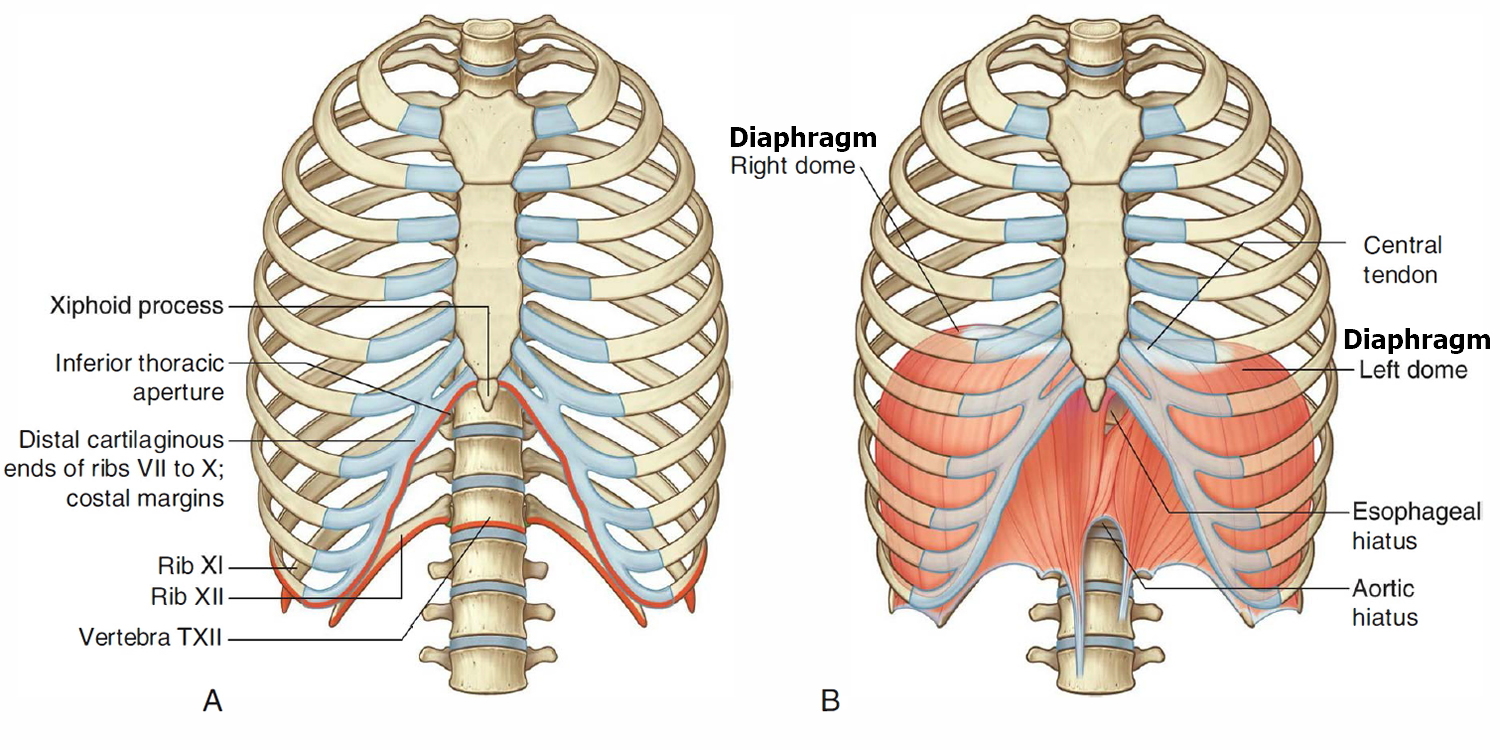
The diaphragm muscle plays an essential role in breathing and is essential for many bodily functions:
- Main muscle of breathing : The diaphragm is the main muscle responsible for breathing. When it contracts, it moves down, allowing the chest cavity to expand and the lungs to fill with air. When you exhale, the diaphragm relaxes and moves up, helping to expel air from the lungs.
- Core stability support : In coWorking with the core muscles, the diaphragm helps stabilize the core, which is essential for posture and movement. This stabilization is essential for activities ranging from heavy lifting to maintaining good posture.
- Impact on traffic : Movement of the diaphragm helps the return of venous blood to the heart, facilitating more efficient blood flow. This is especially important during exercise or at rest, as it supports overall cardiovascular function.
- Influence on the nervous system : Diaphragmatic breathing can stimulate the vagus nerve, which in turn activates the parasympathetic nervous system. This has a calming effect on the body, reducing stress and promoting relaxation.
- Influence on abdominal organs : The movement of the diaphragm affects the organs of the abdominal cavity, gently massaging them and aiding digestion and lymphatic flow.
Because of these roles, the diaphragm is sometimes considered a bridge between physical and emotional health, as proper breathing can reduce stress and increase emotional resilience.
When the diaphragm becomes tense, it can affect physical and emotional well-being in several ways:
- Restricted breathing : A tight diaphragm limits its range of motion, making it more difficult to take deep breaths. This can lead to short, rapid breathing, reducing oxygen intake and potentially causing fatigue, lack of concentration, and even feelings of anxiety.
- Trunk instability : The diaphragm works with the core muscles to provide stability. When it is tight, this balance can be disrupted, forcing other muscles like those in the lower back, hips, and shoulders to compensate. In the long term, this can contribute to poor posture, back pain, and even chronic muscle tension.
- Increased stress and anxiety : The diaphragm is closely linked to the autonomic nervous system, which regulates our fight or flight response. A tight diaphragm often keeps the body in a state of heightened stress, as short breathing activates the sympathetic nervous system (stress response). This can create a loop where physical tension perpetuates stress, and vice versa.
- Digestive and circulatory problems : The diaphragm plays a role in blood and lymph circulation, and a tight diaphragm can reduce circulation and interfere with the digestive organs below, which can lead to indigestion, acid reflux, or constipation.
- Impact on emotional release : The diaphragm is sometimes called the “emotional muscle” because it is associated with the expression and release of emotions. Tightness can prevent the release of stress or emotional tension, contributing to emotional buildup or physical feelings of “shutdown.”
Stretching exercises, deep breathing techniques, and practices like yoga or fascia release can help relax the diaphragm and restore its flexibility.
Releasing the diaphragm muscle can help improve breathing, reduce stress, and relieve tension in the body. Here are some effective techniques:
- Diaphragmatic (ventral) breathing
- Lie on your back with your knees bent or sit comfortably with your back straight.
- Place one hand on your chest and the other on your abdomen.
- Inhale deeply through your nose, letting your belly rise as your diaphragm descends.
- Exhale slowly through your mouth, feeling your belly lower as your diaphragm relaxes.
- Repeat this breathing pattern for several minutes, focusing on slow, controlled breaths.
- Diaphragm stretching
- Lie on your back with a pillow or small towel under your upper back to slightly elevate your chest.
- Take deep breaths, allowing your rib cage to fully expand with each inhale.
- Hold the breath for a few seconds, then exhale slowly, allowing the diaphragm to relax.
- Self-massage
- Place your fingers just below your rib cage, where the diaphragm is located.
- Take a deep breath in and, as you exhale, gently press your fingers up and inward, following the curve of your rib cage.
- Move your fingers along the underside of the ribs, applying gentle pressure to areas of tension.
- Repeat for a few minutes, breathing deeply and allowing the pressure to help relax the diaphragm.
- Rib Mobilization Exercise
- Place your hands on either side of your rib cage.
- As you inhale, gently push outward with your hands to encourage expansion of the ribs.
- As you exhale, use your hands to gently squeeze the rib cage, assisting the upward movement of the diaphragm.
- Repeat this movement for a few breaths, focusing on expanding and contracting the rib cage.
- Crocodile Breathing Exercise
- Lie face down with your forehead resting on your hands.
- Focus on expanding your abdomen with each inhale, letting your belly press into the floor.
- Feel the expansion in your lower back and sides as well.
- Exhale completely and slowly, feeling the diaphragm relax. Repeat for a few minutes.
- Yoga Poses for Diaphragm Release
- Cat-Cow Pose : Move from Cat Pose (rounding your back) to Cow Pose (arching your back) to help stretch and mobilize the diaphragm.
- Bridge : While lying on your back, lift your hips while keeping your feet and shoulders on the floor. This helps open the chest and stretch the diaphragm.
- Child's Pose : This resting posture promotes deep breathing and relaxation in the diaphragm area.
- Practice relaxation techniques
- Engage in practices like meditation or progressive muscle relaxation to reduce overall tension in the body, which can also help relax the diaphragm.
Practicing these techniques regularly can help keep the diaphragm relaxed and improve breathing, posture, and stress management.
https://centrekinesis.com/kinesiologie-appliquee/
https://centrekinesis.com/limportance-dune-bonne-posture/
- National Institute of Health (NIH) – Diaphragm and Breathing
- Mayo Clinic – Anatomy of the Diaphragm
- WebMD – Respiratory System and Diaphragm Function
- PubMed Central – Diaphragm Muscle and Its Role in Breathing
- American Lung Association – How the Diaphragm Helps Us Breathe
- Harvard Health – The Importance of the Diaphragm in Health
- Yoga Journal – Diaphragmatic Breathing and Its Benefits


